
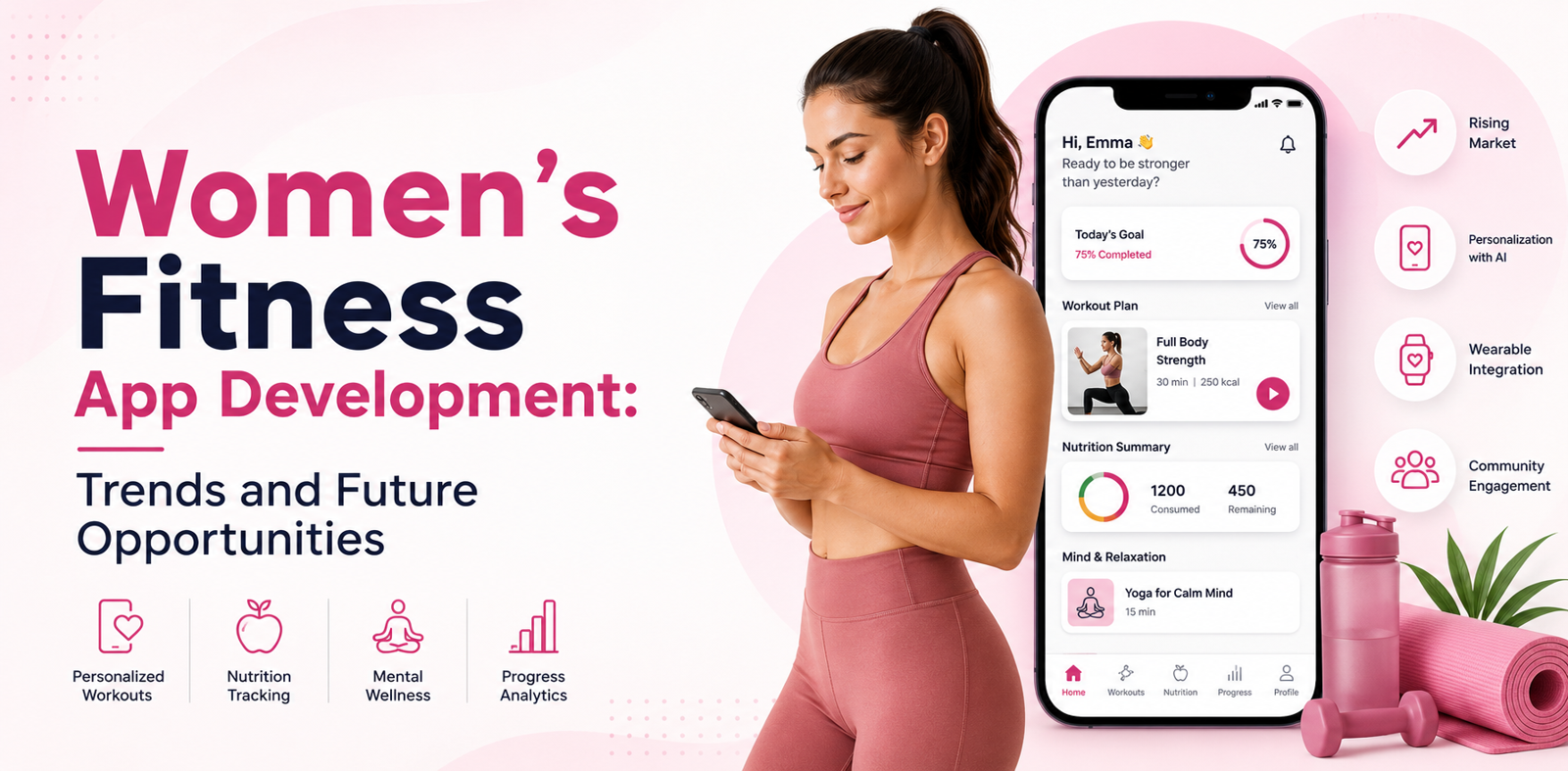
Technology that can be worn has been seen as one of the best inventions in the area of fitness. Smartwatches, fitness bands, and other such health monitoring systems have grown increasingly popular amongst the consumers because of their ability to monitor physical activity as well as maintain physical fitness levels. As these wearables become more common, there is a greater demand for fitness apps for smartphones.
Today’s users do not just want tracking capabilities but also personal exercise recommendations, performance analysis, calorie monitoring, sleep analysis, and much more from the wearable devices. This rising need has created new possibilities for companies seeking to tap into the online fitness sector.
Developing a fitness app in collaboration with an expert mobile app development agency provides businesses with a means of creating high-quality and innovative fitness apps.
The Growing Demand for Wearable Fitness Apps
There have been major transformations in the fitness sector over the past decade. Old-school workout techniques are gradually being phased out, giving way to new-age digital fitness technologies that offer convenience, customization, and live tracking options.
Wearable devices have become popular because they help users:
Monitor physical activity
Track heart rate and calories
Improve workout performance
Analyze sleep patterns
Maintain healthy lifestyles
Set fitness goals and achievements
Consumers now expect fitness applications to work seamlessly with wearable devices, creating an integrated health ecosystem that delivers instant results and actionable insights.
Businesses partnering with a trusted fitness app development company can build applications that meet these evolving consumer expectations.
Understanding Wearable Fitness Technology
Wearable fitness technology refers to electronic devices designed to collect and analyze fitness and health-related information. These devices communicate with mobile apps to provide users with detailed performance data.
Popular wearable devices include:
Smartwatches
Smartwatches track workouts, monitor heart rate, and display notifications directly on the wrist.
Fitness Bands
Fitness trackers focus on daily activity monitoring, including steps, calories, and sleep tracking.
Smart Rings
Compact wearable rings provide health monitoring features in a lightweight and portable form.
Heart Rate Monitors
These devices provide accurate cardiovascular monitoring during workouts.
GPS Sports Watches
GPS-enabled devices are commonly used for running, cycling, and outdoor fitness activities.
The integration between wearable devices and fitness applications creates a more connected and personalized fitness experience.
Essential Features of Wearable Fitness Apps
Developing a wearable fitness app requires advanced features that improve user engagement and deliver valuable fitness insights.
Real-Time Activity Tracking
The app should monitor steps, running distance, workout duration, calories burned, and physical activity levels.
Heart Rate Monitoring
Continuous heart rate tracking helps users optimize workouts and maintain safe exercise intensity levels.
Sleep Monitoring
Sleep tracking provides users with insights into sleep quality, recovery, and overall wellness.
Personalized Workout Plans
Artificial intelligence can create customized workout recommendations based on user fitness goals and activity history.
Goal Setting and Progress Tracking
Users should be able to set daily or weekly fitness goals and monitor their progress over time.
Push Notifications and Reminders
Reminders encourage users to stay active, hydrate, and complete workouts regularly.
GPS Tracking
GPS integration allows users to monitor outdoor activities such as cycling, hiking, and running.
Social and Gamification Features
Leaderboards, fitness challenges, and social sharing increase motivation and user engagement.
Companies providing fitness mobile app development solutions often prioritize these features to improve user retention and app performance.
Importance of User Experience in Wearable Apps
User experience is one of the most important factors in wearable app success. Wearable devices have limited screen space, so applications must deliver information clearly and efficiently.
Minimal Interface Design
A clean interface improves readability and simplifies navigation.
Fast Data Synchronization
Real-time syncing between wearable devices and smartphones ensures accurate fitness tracking.
Simple Navigation
Users should access workout information and fitness insights quickly without complex interactions.
Interactive Dashboard
Visual charts and progress tracking improve engagement and motivation.
Personalized User Journey
Customized recommendations and adaptive interfaces enhance the overall user experience.
Professional fitness app development services focus heavily on creating responsive and user-friendly designs for wearable devices.
Technologies Used in Wearable Fitness App Development
Developing advanced wearable fitness apps requires modern technologies that support real-time communication and data processing.
Artificial Intelligence
AI helps deliver personalized workout recommendations and predictive health insights.
Internet of Things (IoT)
Wearable devices function through IoT connectivity, allowing real-time communication between devices and applications.
Cloud Computing
Cloud platforms securely store and manage large amounts of fitness and health data.
Bluetooth Connectivity
Bluetooth technology enables seamless synchronization between wearable devices and mobile apps.
Machine Learning
Machine learning analyzes user behavior and improves fitness recommendations over time.
API Integrations
Fitness apps often integrate with Apple Health, Google Fit, Fitbit, and other third-party health platforms.
Challenges in Wearable Fitness App Development
Although wearable fitness apps offer significant opportunities, businesses face several challenges during development.
Device Compatibility
Supporting multiple wearable devices and operating systems can increase development complexity.
Battery Consumption
Wearable apps must optimize battery usage while running continuously in the background.
Real-Time Data Processing
Applications must process health data instantly and display accurate insights to users.
Data Security and Privacy
Protecting sensitive health information is essential for maintaining user trust.
Limited Display Space
Wearable screens are smaller, requiring highly optimized and simplified interfaces.
Businesses investing in custom fitness app development often focus on cross-platform compatibility and scalability to address these challenges effectively.
Benefits of Wearable Fitness Applications
Wearable fitness apps provide major benefits for both users and businesses.
Benefits for Users
Improved Health Monitoring
Users can continuously monitor vital health metrics and physical activity.
Better Workout Performance
Real-time feedback helps users improve workout efficiency and achieve fitness goals faster.
Personalized Fitness Experience
Custom recommendations and workout plans create a more engaging fitness journey.
Increased Motivation
Gamification, achievements, and reminders encourage users to stay consistent.
Convenience
Wearables allow users to access fitness insights anytime without manually recording activities.
Benefits for Businesses
Higher User Engagement
Interactive features improve app retention and daily user activity.
Better Revenue Opportunities
Subscription plans, premium features, and in-app purchases create multiple monetization options.
Strong Market Positioning
Businesses offering wearable-compatible fitness apps gain a competitive advantage.
Valuable User Insights
Analytics tools help businesses understand user behavior and improve services.
Many organizations collaborate with a reliable health and fitness app development company to build wearable applications that support long-term business growth.
Security Considerations in Wearable Fitness Apps
Since wearable apps handle sensitive personal and health-related information, security should be a top priority.
Data Encryption
Encryption protects user data during transmission and storage.
Secure Login Systems
Authentication features such as biometric login and multi-factor authentication improve account security.
Regulatory Compliance
Applications should follow healthcare and data privacy regulations.
Cloud Security
Secure cloud infrastructure prevents unauthorized access to sensitive information.
Protecting user privacy is essential for maintaining customer trust and brand credibility.
Future Trends in Wearable Fitness App Development
The wearable fitness industry continues to evolve with rapid technological advancements.
AI-Based Virtual Trainers
Artificial intelligence will provide real-time coaching and personalized fitness guidance.
AR and VR Fitness Experiences
Augmented and virtual reality technologies may create immersive workout environments.
Advanced Health Tracking
Future wearable devices may monitor blood sugar, hydration, and stress levels more accurately.
Voice-Activated Fitness Assistance
Voice commands will allow users to control workouts and access fitness insights hands-free.
Integration With Smart Ecosystems
Wearable fitness apps will increasingly connect with smart homes, healthcare systems, and wellness platforms.
Conclusion
Fitness tracker devices have completely transformed the field of fitness due to their ability to monitor the health condition of an individual, offer personalized fitness programs, and track workouts efficiently. The rise in the demand from consumers for wearables has provided an opportunity for businesses to gain maximum benefits from designing unique wearables for fitness purposes.
The development of effective wearable fitness applications necessitates innovation in technology, efficient interfaces, security, and device compatibility. Businesses can come up with interactive fitness applications by making use of artificial intelligence, the internet of things, cloud computing, and real-time analytics.











Write a comment ...