
There has been a dramatic evolution of the grocery industry in the last few years. Customers are not willing to wait for days or even hours to have their everyday necessities delivered. Time and convenience have become key factors, influencing the development of businesses in a positive manner.
The emergence of ultra-fast delivery services has led to a significant change in customers' approach to buying groceries, thus transforming the sector into the most aggressive market.
Modern consumers tend to get their groceries, snacks, drinks, and other everyday necessities almost immediately after they have placed an order. This consumer behavior is driving the growth of 10-minute delivery apps, which is completely changing the landscape of the retail and logistics industries on a global level.
The Rise of Ultra-Fast Grocery Delivery
Fast delivery became more popular during the pandemic when people had to order all the necessary things online due to lockdown restrictions. The trend remains relevant and continues to develop further. Nowadays, customers want to use those services that will make their life easier and help to order goods easily.
Businesses working in such sectors apply dark stores, artificial intelligence, real-time tracking of the goods, and smart routing to offer fast delivery. In addition, such developments allow companies to satisfy clients better and get an additional source of income.
With the increase in activity of people living in the city, there is a growing need for fast food delivery app development. People choose apps that can help them buy everything instantly, such as groceries for dinner or baby products.
Key Trends Shaping the Market
1. Hyperlocal Warehousing
One of the biggest drivers behind rapid grocery fulfillment is the adoption of hyperlocal warehouses. These small fulfillment centers are strategically located close to residential areas, enabling companies to reduce delivery times dramatically.
Businesses are investing in multiple micro-warehouses across cities to ensure faster dispatch and improved operational efficiency. This model also helps brands manage inventory more effectively while minimizing transportation costs.
2. AI and Predictive Analytics
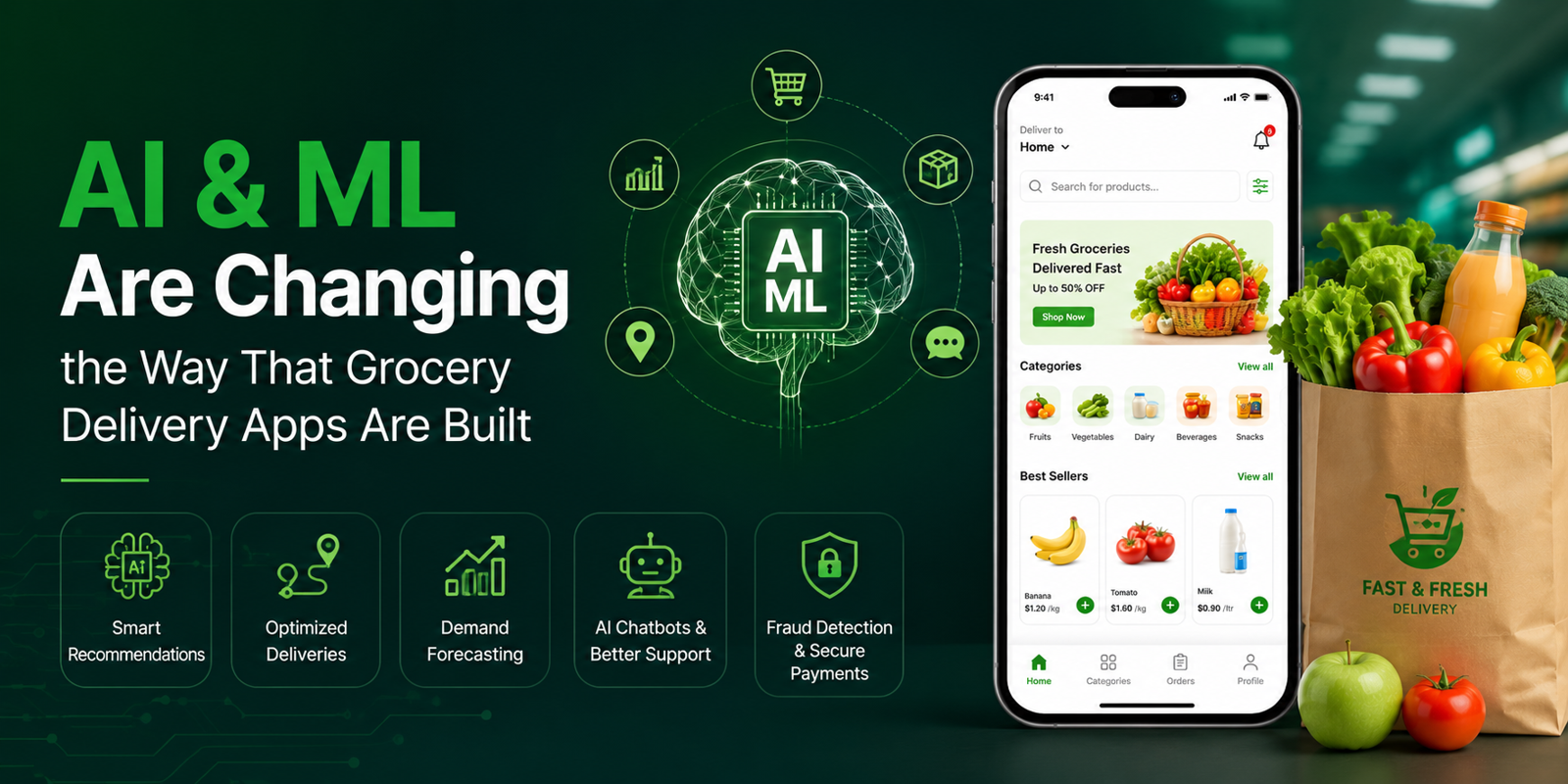
Artificial intelligence is transforming grocery logistics. AI tools help companies analyze customer behavior, predict demand, optimize inventory, and reduce delivery delays.
Machine learning algorithms can forecast which products customers are likely to order during specific times of the day, helping businesses stock warehouses more efficiently. Predictive analytics also minimizes wastage, especially for perishable items.
3. Expansion of Quick Commerce
The rapid growth of quick commerce apps is redefining the future of retail. These platforms focus on delivering products in under 30 minutes and often within 10 minutes.
Quick commerce businesses are not limited to groceries anymore. Many platforms now deliver medicines, personal care products, electronics, and pet supplies. This diversification is expanding the market and attracting more users.
4. Integration of Contactless Payments
Consumers increasingly prefer secure and seamless digital payment methods. Grocery delivery platforms now integrate multiple payment options, including digital wallets, UPI systems, contactless cards, and buy-now-pay-later services.
This convenience improves customer retention and encourages repeat purchases.
5. Eco-Friendly Delivery Practices
Sustainability has become a major focus in the grocery delivery industry. Companies are adopting electric delivery vehicles, reusable packaging, and eco-friendly logistics strategies to reduce their environmental impact.
Customers are also more likely to support brands that demonstrate environmental responsibility.
Why Consumers Prefer Fast Grocery Delivery
The popularity of rapid grocery delivery app development services is driven by changing customer lifestyles and expectations. Here are some major reasons behind their growing demand:
Convenience
Consumers can order groceries anytime without visiting physical stores. This saves time and reduces the hassle of shopping during busy schedules.
Emergency Purchases
Fast delivery services are ideal for urgent requirements such as forgotten ingredients, baby products, or medicines.
Improved User Experience
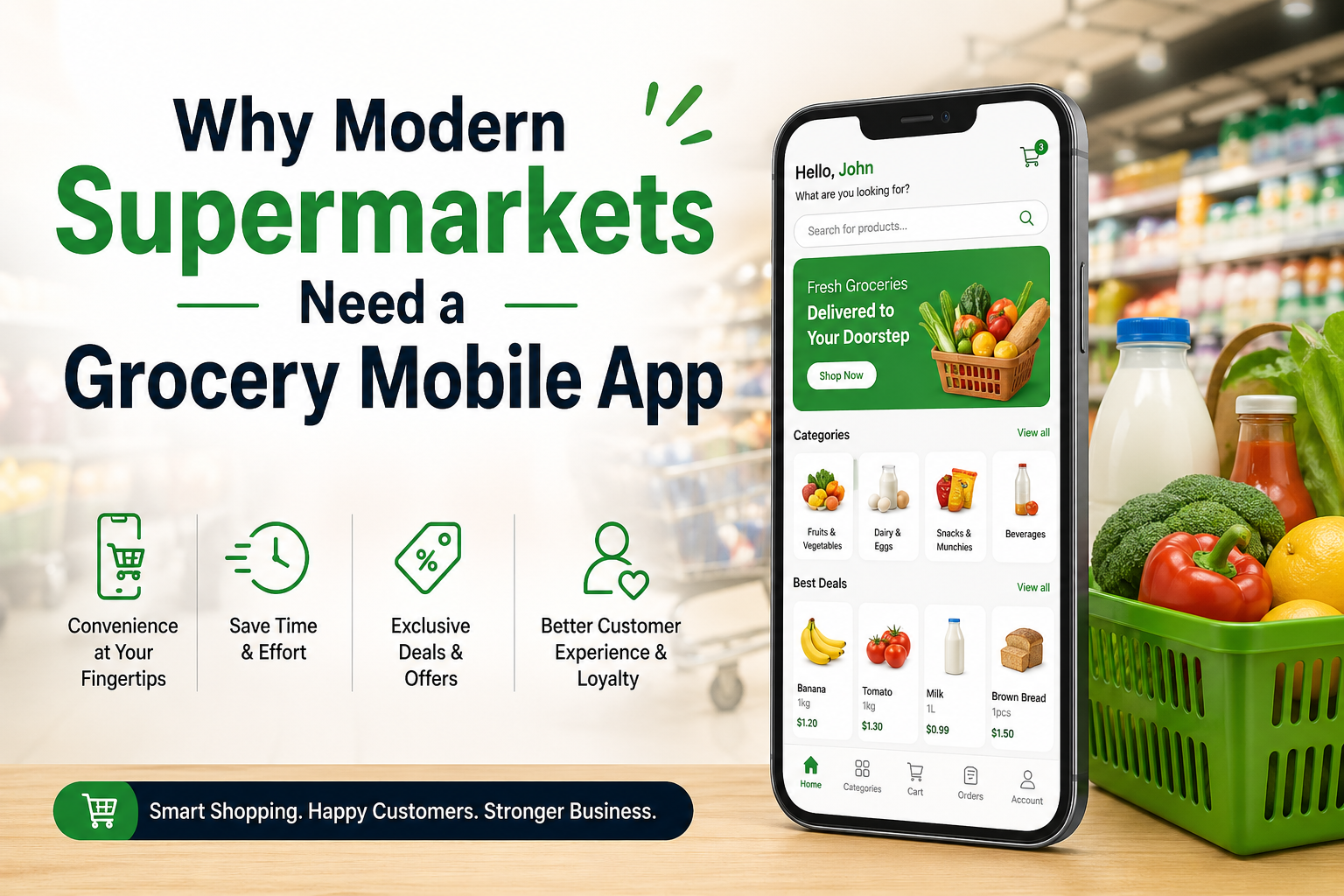
Modern grocery apps provide intuitive interfaces, personalized recommendations, real-time tracking, and multiple payment options, enhancing the overall shopping experience.
Time-Saving Benefits
Busy professionals and families prefer quick delivery because it allows them to focus on work and personal activities instead of spending hours shopping.
Technologies Powering 10-Minute Delivery
The success of ultra-fast grocery delivery app development company relies heavily on advanced technologies. Businesses are integrating innovative digital solutions to streamline operations and improve customer satisfaction.
Real-Time Inventory Management
Real-time inventory systems help companies track product availability across warehouses instantly. This reduces order cancellation rates and improves fulfillment accuracy.
GPS and Route Optimization
Delivery platforms use GPS tracking and route optimization software to identify the fastest delivery routes. This ensures quicker deliveries while minimizing fuel costs.
Cloud-Based Infrastructure
Cloud technology enables businesses to scale operations efficiently while maintaining system performance during peak demand periods.
Mobile App Integration
A reliable mobile application is the foundation of every successful grocery platform. Many companies invest in professional grocery app development services to build scalable and feature-rich applications that deliver smooth user experiences.
Business Opportunities in the Industry
There is immense scope for entrepreneurs and investors to invest in the delivery market sector. The growing trend towards online shopping creates viable business models.
Various retail chains are collaborating with service providers to develop their own delivery platforms. Some other businesses that have entered the field include entrepreneurs creating delivery systems for particular customers.
A company offering a grocery delivery application solution will help firms looking for an immediate digital revolution to build unique delivery platforms.
Essential Features of Modern Grocery Apps
To remain competitive, grocery delivery platforms must include advanced features that improve user engagement and operational efficiency.
User-Friendly Interface
Simple navigation and easy product search improve customer satisfaction and encourage repeat usage.
Real-Time Order Tracking
Customers expect live updates about their order status and delivery location.
Personalized Recommendations
AI-powered recommendations help businesses increase sales by suggesting relevant products to users.
Multiple Payment Options
Flexible payment systems improve convenience and reduce cart abandonment rates.
Loyalty Programs
Reward systems and discounts encourage customer retention and repeat orders.
Businesses investing in on-demand grocery delivery app development platforms are increasingly focusing on these features to improve customer experiences and maximize profitability.
Challenges in the 10-Minute Delivery Industry
Although the market is growing rapidly, companies also face several operational challenges.
High Operational Costs
Maintaining dark stores, delivery fleets, and rapid logistics infrastructure can be expensive.
Inventory Management Issues
Handling perishable goods and ensuring stock accuracy require efficient inventory systems.
Delivery Workforce Management
Hiring and managing delivery personnel while maintaining service quality can be difficult for growing businesses.
Profitability Pressure
Offering ultra-fast delivery often involves high operational expenses, making profitability a challenge for many startups.
Despite these obstacles, businesses continue investing in innovation and automation to improve efficiency and reduce costs.
The Future of Grocery Delivery
The future of grocery deliveries seems to be extremely promising. The consumer’s need for convenience and faster service is anticipated to only increase in the coming years.
As mentioned in the trends in grocery delivery 2026, many companies are expected to leverage automation using artificial intelligence, use drone delivery technology, incorporate robotics, and create intelligent warehouses for more efficient and faster deliveries.
The use of autonomous delivery vehicles and predictive analysis may help decrease delivery time significantly, in addition to making customer experiences more efficient.
Conclusion
The development of 10-minute grocery delivery service has revolutionized the retail sector around the world. Customers demand convenience and efficiency from service providers, compelling organizations to constantly innovate. Through artificial intelligence (AI), smart logistics, and other technologies, this industry is growing rapidly.
Organizations that focus on customer experience, efficiency, and innovation will be at the forefront of grocery delivery in the coming years. Companies must adapt to consumer needs to stay ahead of their competitors in this dynamic and intensely competitive environment.









Write a comment ...