
The fitness industry is evolving faster than ever. With digital habits becoming deeply embedded in everyday life, fitness businesses must go beyond physical locations and traditional services to stay competitive. In 2026, mobile apps are no longer optional—they are a strategic necessity for gyms, personal trainers, wellness brands, and fitness startups.
From enhancing customer engagement to unlocking new revenue streams, fitness mobile apps are transforming how businesses connect with their audiences. Let’s explore why investing in fitness mobile app development is essential for long-term success.
The Digital Shift in the Fitness Industry
Consumer expectations have changed. Today’s fitness customers want convenience, personalization, and 24/7 access to services. Whether it’s booking workouts, tracking progress, or accessing virtual training, users expect everything to be available through their smartphones.
This shift has made mobile apps a core component of modern fitness ecosystems. Businesses that fail to adopt digital platforms risk losing relevance in an increasingly competitive market.
Top Benefits Of Fitness Mobile Apps for Modern Businesses
Launching a mobile app unlocks powerful advantages that directly impact business growth and customer satisfaction.
1. Increased Customer Engagement
Fitness apps enable continuous interaction with users through workout reminders, push notifications, challenges, and personalized content. This consistent engagement keeps users motivated, encourages regular app usage, and strengthens the relationship between the business and customers, leading to higher activity levels and long-term loyalty.
2. Improved Customer Retention
By offering features such as progress tracking, goal setting, and personalized workout plans, fitness apps help users stay committed to their fitness journeys. This sense of progress and achievement increases user satisfaction, reduces churn rates, and encourages customers to remain loyal to the fitness brand over time.
3. New Revenue Streams
Fitness app development opens multiple monetization opportunities, including subscriptions, in-app purchases, premium workout plans, virtual coaching sessions, and corporate wellness programs. These digital revenue channels allow businesses to earn consistently while reducing reliance on physical locations and traditional membership models.
4. Personalized User Experience
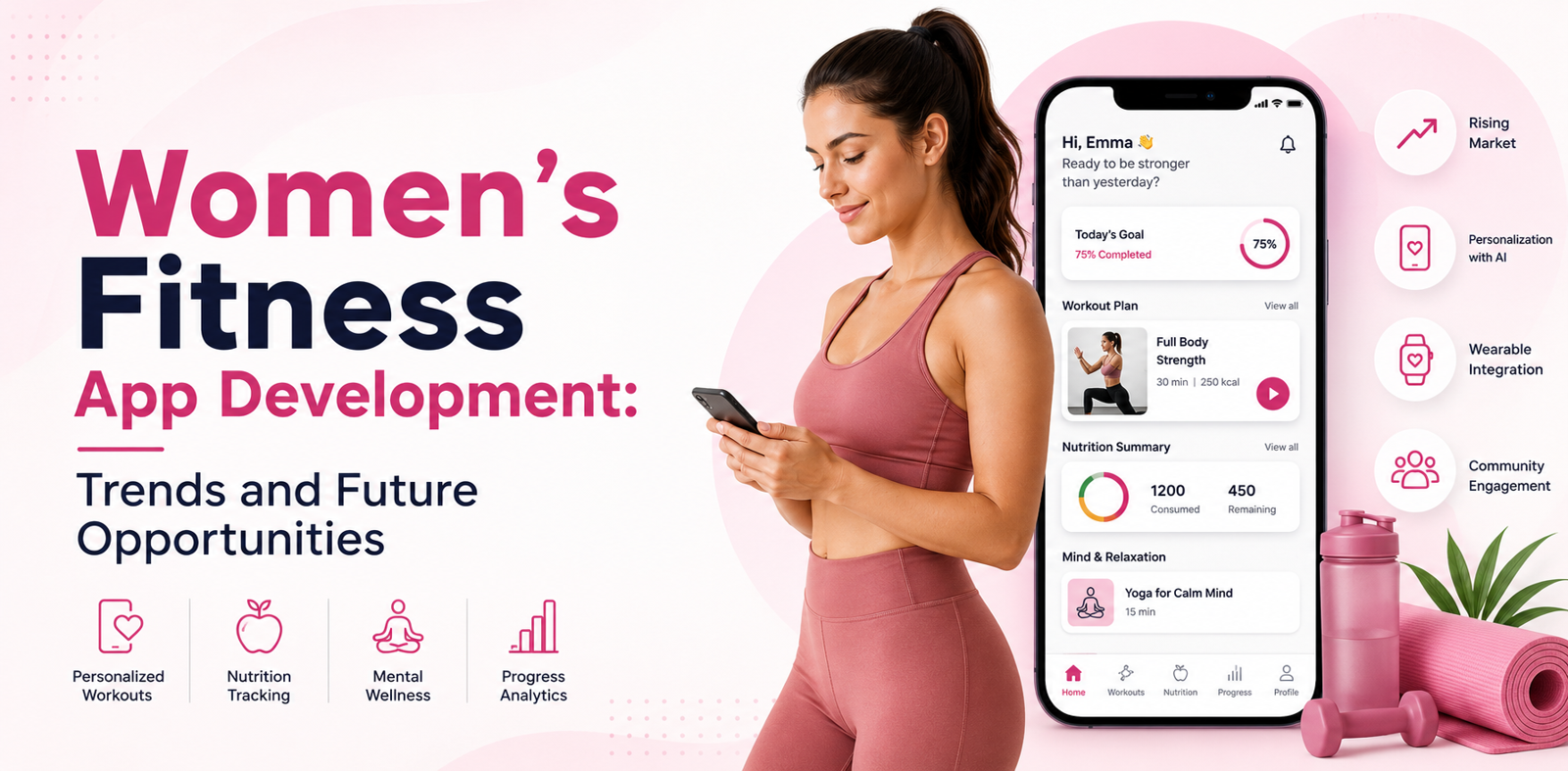
Fitness apps collect valuable user data that helps businesses deliver tailored workout programs, nutrition advice, and fitness recommendations. Personalized experiences improve user outcomes, increase app usage frequency, and make customers feel valued, ultimately boosting engagement and satisfaction levels.
5. Stronger Brand Presence
A dedicated fitness app strengthens brand identity by keeping the business visible on users’ smartphones. Consistent branding, app-based communication, and exclusive digital features help build brand recognition, trust, and authority in a competitive fitness market.
6. Operational Efficiency
Fitness apps automate essential business operations such as class scheduling, bookings, payments, and member management. This reduces administrative workload, minimizes errors, and allows staff to focus more on customer experience, training quality, and strategic business growth.
7. Data-Driven Business Decisions
Fitness apps provide actionable insights through user behavior analytics, performance metrics, and engagement reports. Businesses can use this data to refine services, optimize pricing strategies, improve user experience, and make informed decisions that support long-term growth.
8. Support for Hybrid Fitness Models
With fitness apps, businesses can offer both in-person and digital services seamlessly. Live-streamed workouts, on-demand classes, and virtual coaching expand reach beyond physical locations, helping businesses attract remote users and adapt to modern fitness consumption trends.
9. Enhanced Customer Convenience
Fitness apps give users 24/7 access to workouts, schedules, progress tracking, and support. This convenience removes barriers to participation, increases customer satisfaction, and allows users to engage with fitness services anytime and anywhere.
10. Competitive Advantage in the Market
In a crowded fitness industry, a feature-rich mobile app helps businesses stand out. Advanced functionality, smooth user experience, and innovative digital services position fitness brands as modern and customer-centric, giving them a strong competitive edge.
Enhancing Operational Efficiency
Fitness mobile apps streamline operations by automating repetitive tasks such as scheduling, billing, and user management. This reduces administrative overhead and allows staff to focus on customer experience and business strategy.
Professional fitness app development services ensure smooth integration of these systems, helping businesses operate more efficiently and profitably.
Gaining a Competitive Advantage in 2026
As more fitness businesses adopt digital platforms, competition will continue to intensify. A well-designed mobile app helps brands stand out by offering superior user experiences and value-driven services.
Businesses that invest early in fitness mobile app development will be better positioned to adapt to evolving market trends and customer expectations.
Conclusion
In 2026, mobile apps are no longer a luxury for fitness businesses—they are a necessity. From improving customer engagement and retention to creating new revenue opportunities and supporting hybrid fitness models, the benefits are undeniable.
By leveraging the top benefits of fitness mobile apps, fitness businesses can future-proof their operations and stay ahead in a rapidly evolving industry. Partnering with a trusted fitness application development company and investing in custom fitness app development ensures your business delivers value, scalability, and long-term growth.











Write a comment ...