
With the growing awareness of healthy living and weight management, calorie tracking apps have become essential tools for modern users. From monitoring daily food intake to supporting long-term weight loss goals, smart calorie counter apps are transforming the digital fitness landscape. Businesses looking to enter this market must understand the right strategies, technologies, and best practices to succeed in calorie counter app development.
This article explores proven best practices for building intelligent and scalable calorie counter & weight loss apps, covering features, development steps, and business considerations.
What Is a Smart Calorie Counter App?
A smart calorie counter app helps users track their daily calorie intake, monitor nutrition, manage weight goals, and improve overall health. Unlike basic tracking apps, smart calorie counter apps use AI, data analytics, and personalization to deliver accurate insights and recommendations.
Modern weight loss app development focuses on combining nutrition tracking, fitness activity monitoring, and behavioral insights into a single, user-friendly platform.
Why Smart Calorie Counter Apps Are in High Demand
The demand for calorie counter & weight loss apps is increasing due to:
Rising obesity and lifestyle-related health issues
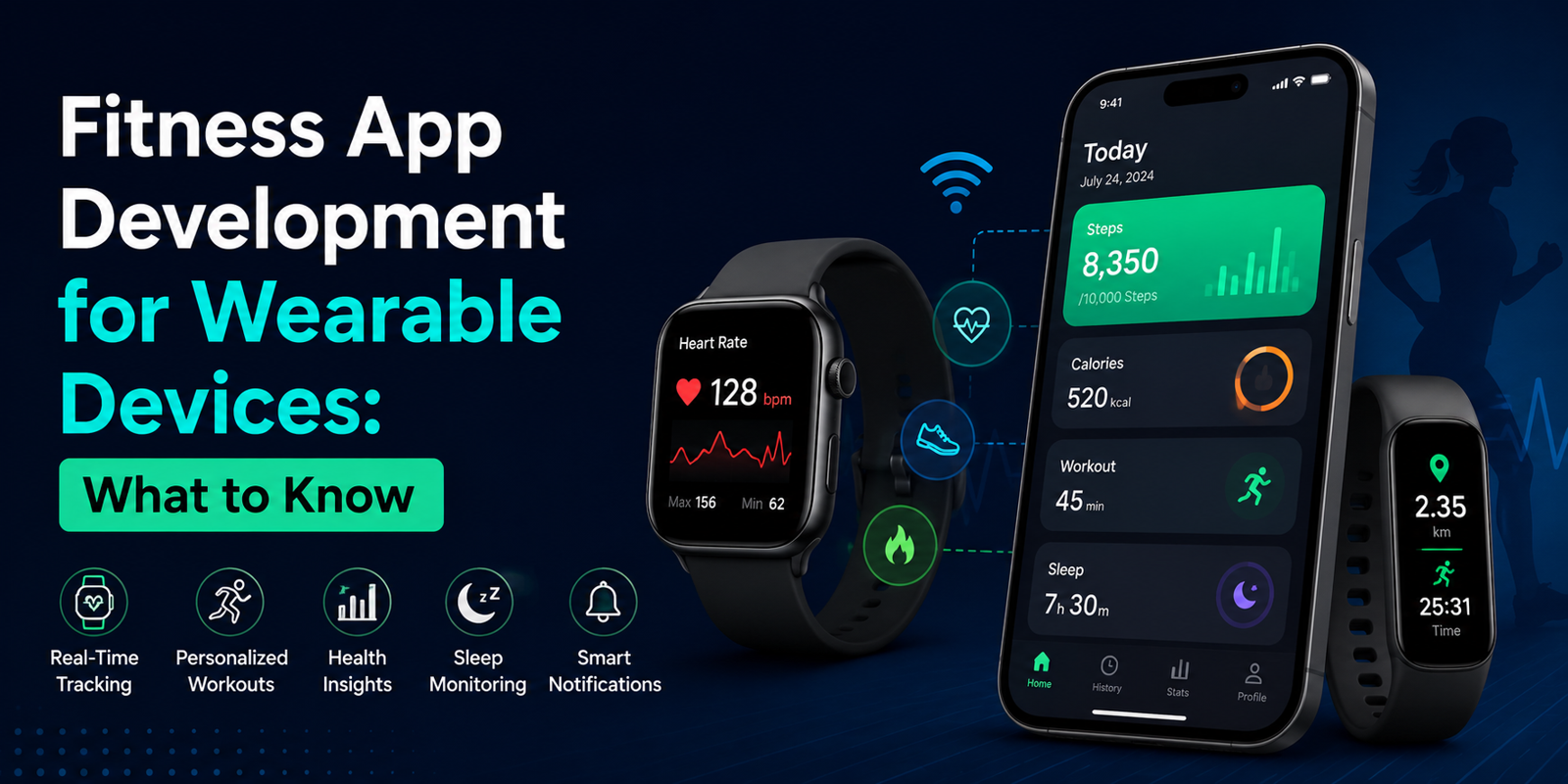
Growing adoption of fitness apps and wearables
Increased focus on preventive healthcare
Desire for personalized health solutions
Businesses often partner with a fitness application development companyto meet these market needs effectively.
Best Practices for Building a Smart Calorie Counter App
1. Define Clear App Goals and Target Audience
Before embarking on creating a calorie counter application, it is important to establish a focus and target audience for your application. Whether you are creating an application for novices, sportsmen, or those trying to lose weight, establishing a goal will definitely assist in creating an application with all possible functionalities.
Weight loss
Muscle gain
Healthy eating habits
Medical nutrition tracking
Understanding your target audience—such as beginners, athletes, or people with specific dietary needs—helps shape features and design. A professional fitness app development company can help align business goals with user expectations.
2. Focus on User-Centric UI/UX Design
A good calorie counter app should have an easy interface, since people interact with it on a daily basis. A simple and neat interface will help improve retention. A good interface will make it simple for people to record their food, access calorie information, and make it easier for them to be consistent, which is critical in creating a fitness app.
Best UI/UX practices include:
Easy food logging
Minimal data entry
Clear calorie summaries
Visual progress charts
A smooth interface encourages daily usage and improves retention, which is critical for long-term success.
3. Build an Accurate Food & Nutrition Database
A reliable and broad food database is the basis for calorie counter and weight loss apps. The database ought to encompass food from around the world, packaged goods, nutritional information, and personal records. A reliable food database promotes accuracy and builds consumer confidence in using calorie counter and weight loss apps.
Extensive food items
Nutritional values (calories, macros, vitamins)
Regional and branded foods
Custom food entries
Accurate data builds user trust and ensures reliable calorie tracking. Many businesses rely on the best fitness app development company to integrate trusted nutrition APIs and databases.
4. Enable Smart Calorie Tracking & Automation
Automation improves convenience and interaction capabilities for users. Functions such as scanning barcodes, recognizing images of food portions, and calculating calorie intake can be performed automatically. Such advanced technology assists in accurate tracking, ensuring a commitment to achieving targets with a better experience in weight loss solutions for application development.
Barcode scanning
Meal photo recognition
Portion size estimation
Auto-calorie calculations
These intelligent features enhance weight loss app development by making calorie tracking faster and more accurate.
5. Personalization Using AI and Machine Learning
Artificial intelligence personalization takes into consideration the individual information of the users, such as age, weight, level of activity, and personal aims, in order to deliver personalized calorie intake targets and diet advice. Artificial intelligence personalization is a major differentiator on which most fitness app development companies focus for better customer satisfaction.
Personalized calorie goals
Adaptive diet recommendations
Smart alerts and reminders
This personalized experience increases motivation and drives better health outcomes.
6. Integrate Fitness & Activity Tracking
A smart calorie counter application will not only include calorie consumption but will also include calories burned. Combining step tracking, workout, and activity information will give a complete health picture. A balance will allow consumers to have a complete understanding of energy consumption against expenditure, thus making it more effective in fitness application development.
Key integrations include:
Step counting
Workout logging
Wearable device integration
Calorie burn calculation
This holistic approach strengthens fitness mobile app development and supports complete health management.
7. Add Goal Setting & Progress Tracking
Having clear goal setting and viewing progress achieve better consistency. Other functions such as setting weight goal targets, setting calorie limits on a daily basis, providing a report on a weekly basis, and using charts all aid in tracking performance. Progress can help in achieving better motivation.
Weight loss or gain targets
Daily calorie goals
Weekly progress reports
Visual charts and milestones
Clear progress tracking helps users stay consistent and motivated throughout their journey.
8. Include Behavioral & Habit-Building Features
Features such as reminders, streaks, notifications, and challenges assist in building a habit and thus make a user consistent. Such features are very important for developing a good habit-building module and can be found in most leading health and fitness application development companies.
Daily reminders
Streak tracking
Habit challenges
Smart notifications
help users develop healthy eating habits and stay engaged with the app.
9. Offer Social & Community Features
Calorie counter apps work with such important information as calorie intake, which falls under the category of personal information protected by healthcare policies. Hence, security measures such as encryption, authentic login, and following data protection policies are essential. They promote credibility and trust among clients in a professional calorie counter app developing company because they have a responsibility to protect personal information.
Community forums
Social sharing
Group challenges
Leaderboards
makes calorie counter & weight loss apps more interactive and motivating.
10. Secure User Data & Ensure Compliance
A good calorie counter application will have to be future-ready and scalable. This will include updates related to AI, integration with wearables, analytics, and more functions in future. A good fitness application development company will make sure your application is future-ready based on demand and market trends.
Data encryption
Secure authentication
GDPR and HIPAA compliance
Safe cloud storage
Partnering with a trusted health and fitness app development company ensures compliance with global data protection standards.
How to Develop a Calorie Counter App: Step-by-Step Process
Step 1: Market Research & Planning
Analyze competitors, identify gaps, and define your app’s unique value proposition.
Step 2: Feature Selection & Wireframing
Choose essential features and design wireframes to visualize the app structure.
Step 3: UI/UX Design
Create a user-friendly and engaging interface optimized for daily usage.
Step 4: App Development
Develop the backend, frontend, admin panel, and APIs. A fitness mobile app development company ensures scalability and performance.
Step 5: Testing & Quality Assurance
Conduct functional, usability, and security testing to ensure flawless performance.
Step 6: Launch & Maintenance
Deploy the app and provide regular updates, bug fixes, and feature enhancements.
Role of Fitness App Development Companies
Working with a professional fitness application development company o provides:
Technical expertise
Industry experience
Faster time to market
Scalable architecture
Long-term maintenance support
Their expertise ensures your calorie counter app meets market standards and user expectations.
Future Trends in Calorie Counter & Weight Loss Apps
The future of weight loss app development will focus on:
AI-powered nutrition coaching
Image-based food recognition
Voice-based food logging
Wearable and IoT integration
Predictive health analytics
Businesses that adopt these trends will gain a competitive edge in the fitness app market.
Conclusion
Building a smart calorie counter app requires careful planning, advanced technology, and a strong focus on user experience. By following best practices in calorie counter app development, businesses can create intelligent, scalable, and engaging solutions that support healthier lifestyles.
Partnering with a reliable fitness app development company ensures successful development, innovation, and long-term growth. With the right strategy and execution, your calorie counter app can stand out in the competitive fitness and wellness market.







Write a comment ...