
The crucial role of technology is a revolution brought by an innovation that is meant for the techies. The industry of mobile apps is a fine example of this kind of revolution. The topic of mobile apps is such that when we refer to it, the choice of mobile app frameworks is the most critical factor. Most of the companies are going from websites to mobile apps, which pose more competition in the mobile app sector.
As the level of mobile applications is progressing, so does the usability and need for Mobile App Frameworks. At this competitive stage, choosing the proper framework alongside a suitable platform and development approach is crucial.
Why AI Frameworks Matter in Mobile App Development
AI frameworks act as the backbone of AI application development. They provide developers with the tools, libraries, and pre-trained models to integrate features like:
Natural Language Processing (NLP) for chatbots and voice assistants
Computer Vision for image and video recognition
Predictive Analytics for user behavior forecasting
Personalization Engines for tailored recommendations
Using advanced AI development frameworks ensures efficiency, scalability, and security while reducing the cost and time to market.
1. TensorFlow
TensorFlow, developed by Google, is one of the most popular AI frameworks. It supports deep learning, machine learning, and neural networks with robust scalability.
Best For: Image recognition, speech recognition, and predictive analytics.
Why It’s Popular: Cross-platform support, GPU acceleration, and a large community.
Mobile Use: TensorFlow Lite is optimized for AI mobile app development.
2. PyTorch
PyTorch, backed by Facebook, is another leading AI development framework known for its flexibility and dynamic computation graph.
Best For: Real-time AI applications and research-driven mobile apps.
Why It’s Popular: Easy to debug, supports NLP and computer vision.
Mobile Use: PyTorch Mobile enables developers to deploy AI models directly on Android and iOS apps.
3. Keras
Keras is a high-level AI framework built on TensorFlow, making it beginner-friendly and efficient.
Best For: Developers new to AI app development.
Why It’s Popular: Simple API, modular design, quick prototyping.
Mobile Use: Ideal for apps requiring AI integration without steep learning curves.
Explore More:- 10 Best AI Frameworks For Mobile App Development
4. Microsoft Cognitive Toolkit (CNTK)
CNTK by Microsoft is a powerful AI application development tool for deep learning and enterprise-grade AI apps.
Best For: Speech recognition, real-time translation, enterprise apps.
Why It’s Popular: High scalability, efficient GPU/CPU usage.
Mobile Use: Seamless integration with Microsoft services makes it suitable for enterprise-level mobile solutions.
5. Apache MXNet
Apache MXNet is a lightweight yet scalable AI development framework supported by Amazon Web Services (AWS).
Best For: Cloud-based AI mobile app development.
Why It’s Popular: Multi-language support (Python, Scala, R, etc.), scalability, and cloud compatibility.
Mobile Use: Used in mobile apps that require AI-powered cloud services and flexibility.
6. Caffe
Caffe is an open-source AI framework widely used for image recognition and classification.
Best For: Computer vision apps.
Why It’s Popular: Fast processing speed, pre-trained models for visual recognition.
Mobile Use: Great for fitness apps, healthcare apps, and any app that relies on AI-driven image processing.
7. OpenAI Gym
OpenAI Gym is an innovative AI development framework focused on reinforcement learning.
Best For: Apps involving simulations, gaming, and autonomous learning.
Why It’s Popular: Provides training environments for machine learning models.
Mobile Use: Suitable for building smart gaming apps or apps requiring self-learning models.
8. Deeplearning4j (DL4J)
DL4J is a Java-based AI framework designed for business-oriented AI application development.
Best For: Enterprise AI mobile apps requiring scalability.
Why It’s Popular: Integration with Hadoop and Spark for big data processing.
Mobile Use: Enables enterprises to build intelligent mobile apps that process large datasets in real time.
9. IBM Watson
IBM Watson is not just an AI framework, but a full suite of AI app development services.
Best For: NLP, sentiment analysis, chatbots, and enterprise apps.
Why It’s Popular: Pre-trained AI models, strong enterprise focus.
Mobile Use: Helps businesses build apps with virtual assistants, healthcare tools, and financial advisors.
Benefits of Using the Right AI Framework
Choosing the right AI development framework provides:
Faster AI app development
Better scalability for mobile apps
Integration with cloud platforms
Advanced personalization for end users
Improved decision-making with predictive models
Working with the best AI app development company ensures the right framework is chosen to match your business goals, app features, and scalability requirements.
Use Cases of AI Frameworks in Mobile Apps
Healthcare Apps—AI-based diagnosis, virtual assistants, and predictive health tracking.
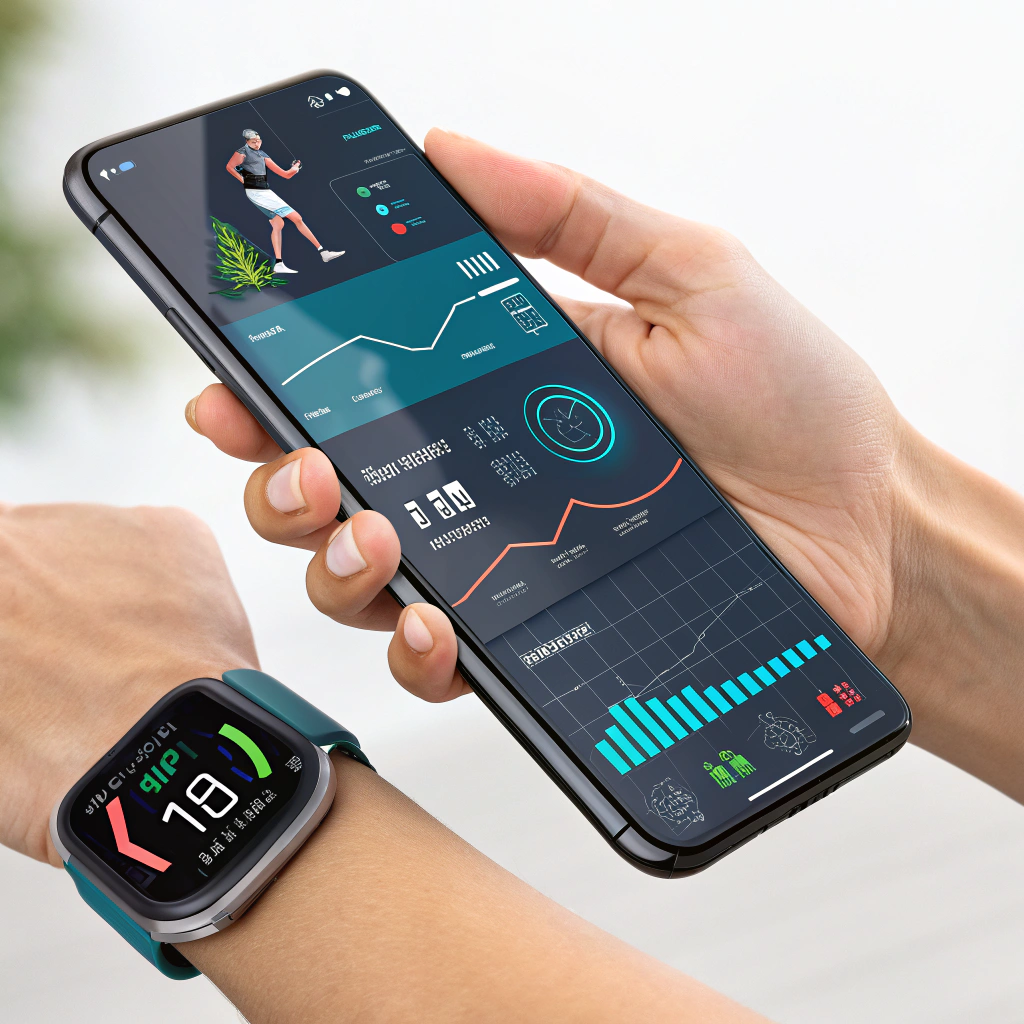
Fitness Apps—Personalized workouts, AI-driven fitness tracking, and nutrition recommendations.
E-commerce Apps – Product recommendations, visual search, and fraud detection.
Finance Apps—Fraud detection, credit scoring, and automated investment advice.
Entertainment Apps—AI-powered recommendations and personalization.
Conclusion
The way forward for AI app development is selecting the most appropriate frameworks that are balanced with performance, scalability, and flexibility. With numerous capable AI frameworks at hand, companies have the means to develop next-generation mobile applications that are smarter, faster, and more interactive.
According to us, these are just 9 of the best AI frameworks useful for AI application development, and we understand that your choices and preferences may differ from ours. You might use other artificial intelligence development tools altogether. Helpful insight delivers a multitude of users worldwide with our expertise in Artificial Intelligence and Machine Learning. We have also developed apps with the latest key features using AI frameworks, libraries,








Write a comment ...