
The fitness sector is undergoing rapid changes due to the digital shift in fitness, health, and motivation. Technologies like AI, wearables, and immersive tech are innovating at an historic pace. No longer just fitness trackers, fitness applications are becoming smart health buddies. It is imperative to know the dominant tech trends in fitness app development for 2026 for any business wishing to remain relevant in this burgeoning market.
In this article, we will discuss the top fitness app trends, technologies, and innovations that will shape the future of fitness apps.
The Evolution of Fitness Apps in 2026
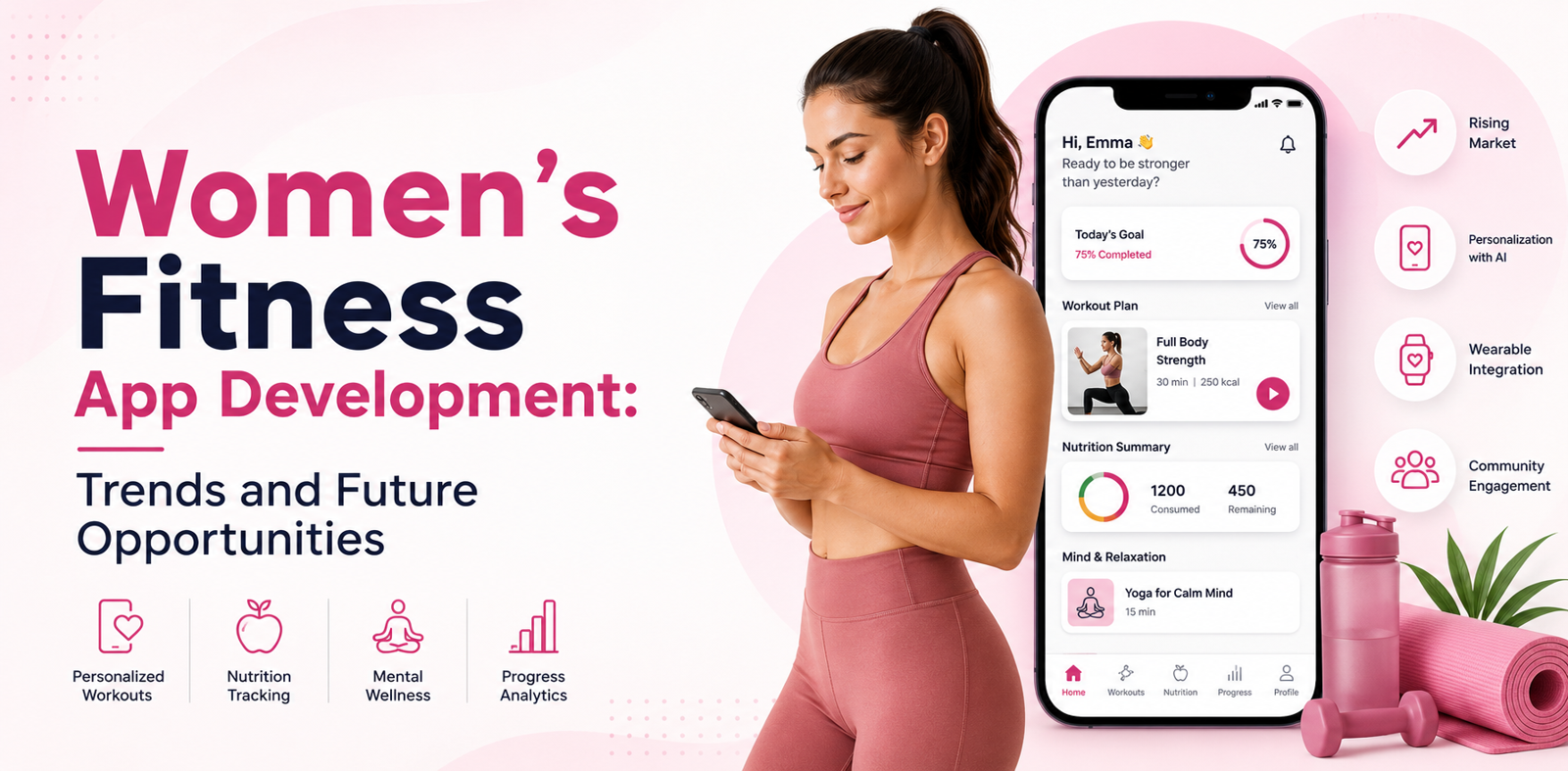
Fitness apps have evolved significantly from simple step trackers and calorie calculators. Contemporary users demand functional capabilities such as personalization, real-time analytics, mental well-being support, and connectivity with their connected world. This is leading to innovation and shaping the future of fitness apps.
With the paradigm shift in user behavior towards holistic health management, a company investing in fitness app development gains a competitive edge in providing personalized experiences to users.
1. AI-Powered Personal Training and Coaching
**Artificial Intelligence is again leading the chart of top fitness trends of 2026. AI algorithms use user behavior, workout performances, and fitness parameters to provide highly customized workout routines.
AI features include:
Adaptive training programs
Real-time posture correction via camera
Smart recommendations based on recovery and fatigue
Predictive injury prevention
For any fitness app dev firm, AI integration becomes not an option, but an expectation that sets the future course for the development of fitness apps.
2. Advanced Wearable and IoT Integration
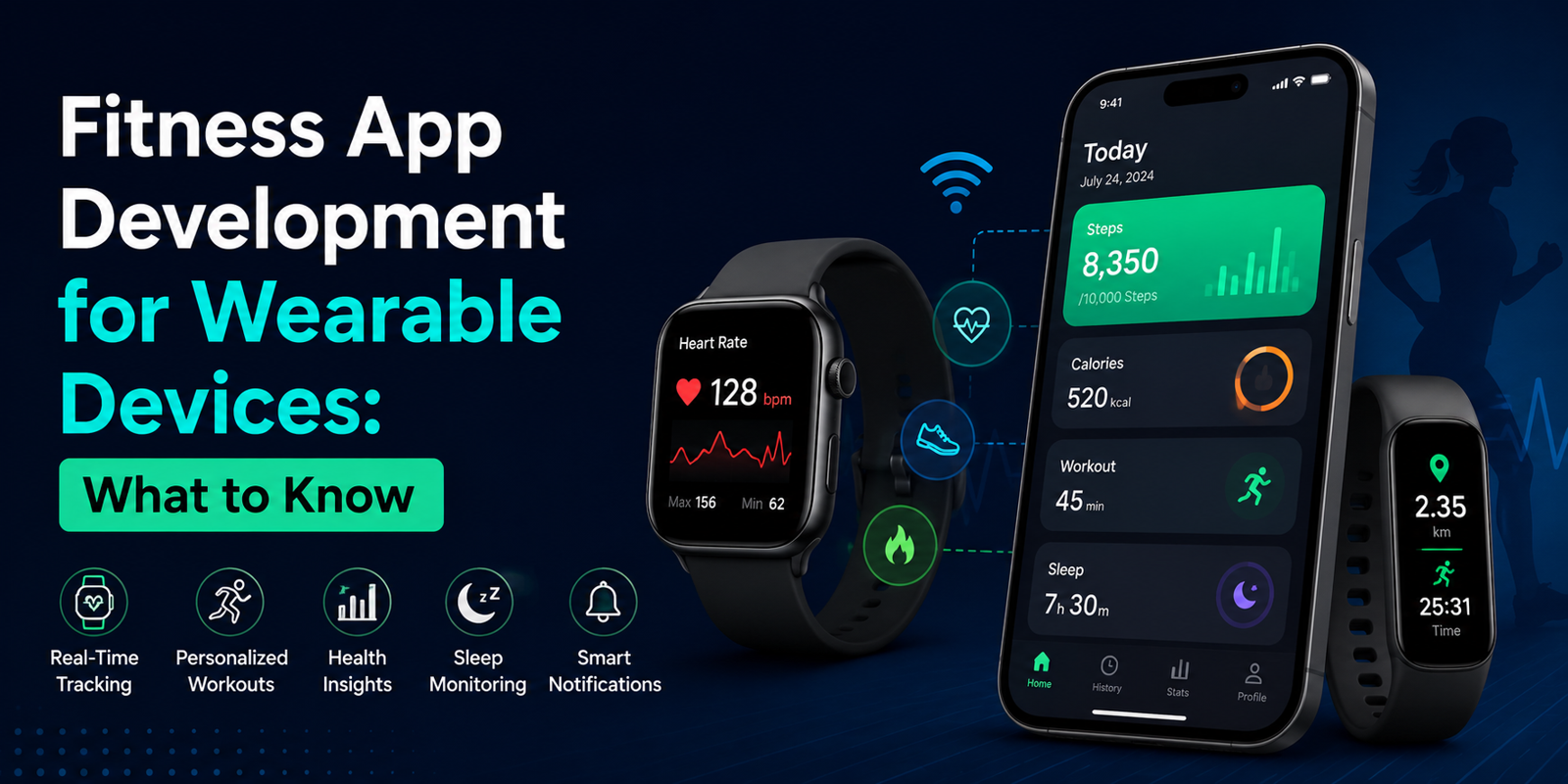
The link between fitness applications and smart devices continues to become more complex and intelligent. By the year 2026, fitness applications will interface effortlessly with wearable devices, smart gym equipment, and IoT devices to provide very accurate biometric information.
Key benefits include:
Heart rate variability tracking
Sleep quality analysis
Real-time oxygen saturation monitoring
Smart equipment syncing
This trend is pushing fitness mobile app development toward real-time analytics and automation, making apps more responsive and user-centric.
3. Gamification 2.0: Beyond Badges and Points
Gamification still remains one of the most popular fitness app trends, but it takes a more immersive and psychological turn in 2026. From simple reward schemes, fitness apps have moved to story-based challenges, leagues, and even AI-based milestones.
Gamification innovations include:
Skill-based progression systems
Social leaderboards with AI matching
Fitness quests and missions
Personalized achievement paths
These features significantly improve user retention and engagement, a key goal for every fitness app development company.
4. Virtual Reality (VR) and Augmented Reality (AR) Workouts
Immersive fitness experiences are transforming home workouts. VR and AR are becoming essential components of top fitness app trends for 2026.
Examples include:
Virtual gym environments
AR-guided yoga and strength training
Interactive boxing and cycling simulations
Trainer avatars in real-time workouts
These innovations redefine how users experience exercise, reinforcing the future of fitness apps as interactive and immersive platforms.
5. Mental Health and Mindfulness Integration
Fitness in 2026 is no longer only physical. Mental wellness has become a critical part of fitness app trends, with users demanding stress management and emotional well-being tools.
Popular features include:
Guided meditation sessions
Breathing exercises
Mood tracking
AI-based stress analysis
A forward-thinking fitness application development company now designs apps that balance physical performance with mental health support.
6. Voice-Enabled Fitness Experiences
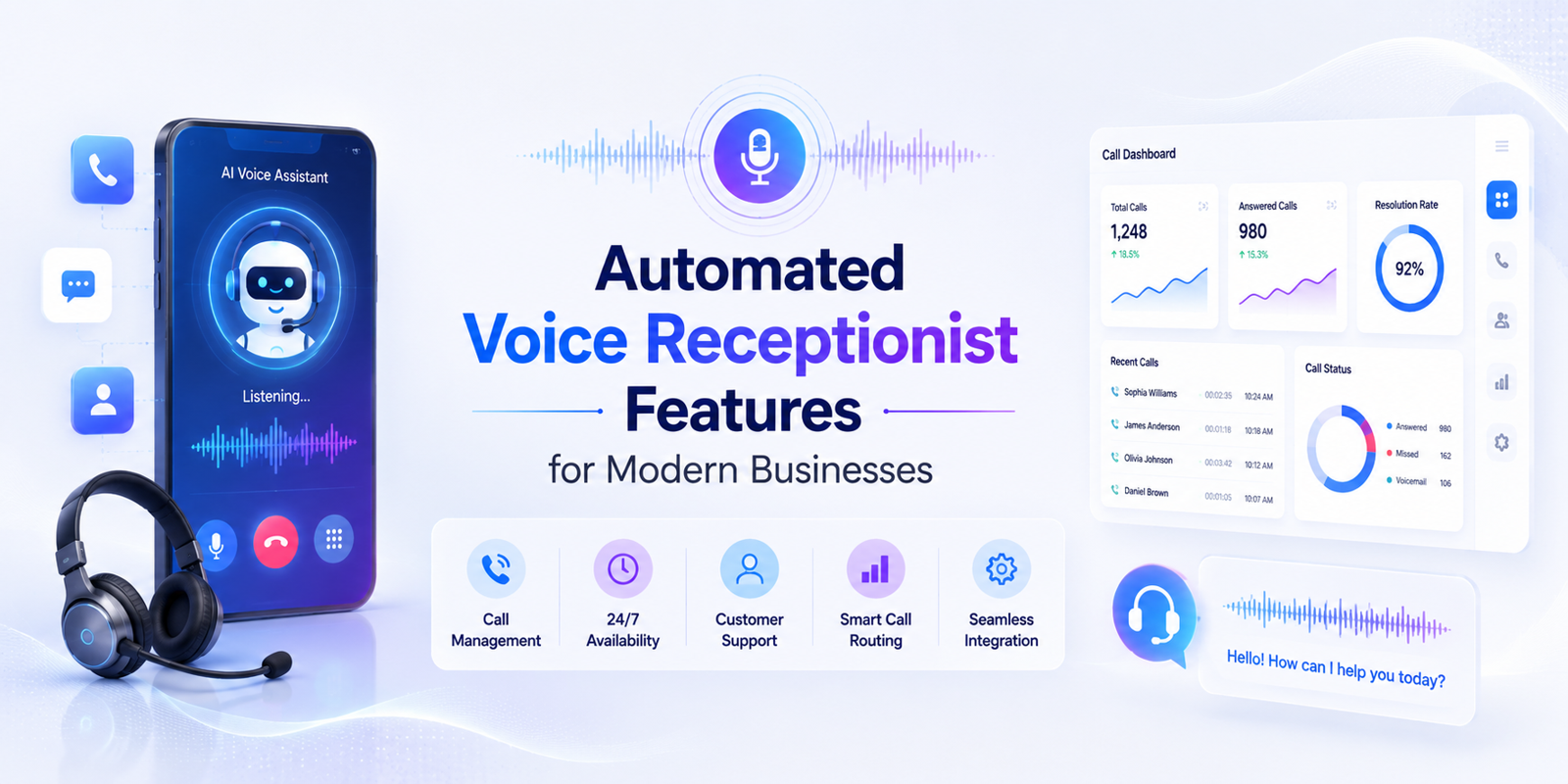
Voice technology is emerging as one of the most user-friendly top fitness app trends. Voice-controlled fitness apps allow users to start workouts, check stats, or receive coaching without touching their screens.
Voice features include:
Hands-free workout commands
AI voice coaches
Real-time motivational feedback
Multilingual voice support
This trend improves accessibility and convenience, especially during intense workouts.
7. Hyper-Personalization Through Big Data
Data analytics plays a massive role in shaping the future of fitness apps. Fitness apps in 2026 analyze large datasets to deliver personalized nutrition plans, workout schedules, and recovery strategies.
Personalization factors include:
Age, gender, and fitness goals
Lifestyle habits
Past workout performance
Sleep and nutrition data
This data-driven approach defines the best fitness app trends and increases long-term user loyalty.
8. Subscription Models with Tiered Features
Monetization strategies are evolving alongside technology. Fitness apps now offer flexible subscription models that cater to different user needs.
Popular models include
Freemium access with premium upgrades
AI-powered personal coaching plans
Corporate wellness subscriptions
Family and group plans
For providers offering fitness app development services, building scalable monetization models is crucial for long-term success.
9. Cloud-Based Scalability and Security
As fitness apps handle sensitive health data, cloud security and compliance have become top priorities. Cloud-native architecture ensures scalability, performance, and data protection.
Key advantages include
Faster app performance
Secure data storage
Easy feature updates
Global accessibility
Every modern fitness mobile app development firm must prioritize secure cloud integration to meet user trust and regulatory standards.
10. Custom-Built Apps Over One-Size-Fits-All Solutions
Businesses are increasingly moving away from generic platforms toward custom fitness app development. Custom solutions allow brands to differentiate, integrate unique features, and scale efficiently.
Custom apps offer:
Brand-specific UI/UX
Tailored user journeys
Advanced analytics
Better third-party integrations
This shift highlights why partnering with the right fitness app development agency is vital for long-term growth.
How These Trends Shape the Future of Fitness Apps
The future of fitness apps lies in intelligent automation, immersive experiences, and holistic wellness. Users expect apps to understand their bodies, adapt to their routines, and support both physical and mental health.
By embracing these top fitness app trends, businesses can:
Increase user retention
Improve engagement
Unlock new revenue streams
Build long-term brand loyalty
Final Thoughts
The ecosystem of 2026 will be smarter, more personalized, and deeply integrated into the user's day-to-day living. From AI-driven coaching to VR workouts in depth, these fitness app trends bring about a sea of change in digital wellness.
Be it a startup or an established brand, partnering with a reliable provider of services in fitness app development will ensure that your product aligns with the best fitness app trends and future-ready technologies.
Only investing in innovation today can guarantee leadership in fitness apps' future.










Write a comment ...